Friday, July 24, 2026

Procurement Decisions: A Strategic Driver of Resident Safety and Asset Value

In the real estate and property management sector, procurement decisions extend far beyond budget management—they directly influence regulatory compliance, operational  continuity, and, most importantly, resident safety.
#Procurement #FireSafety #Compliance #StrategicProcurement #RiskManagement #BuildingSafety
A Practical Scenario
A residential property management company in the Islamabad–Rawalpindi region opted to procure lower-cost fire-rated doors, achieving an apparent 15% reduction in initial procurement costs.
However, during a subsequent compliance inspection, it was determined that the installed doors failed to meet the required 60-minute fire resistance standard, rendering them non-compliant with the project's safety specifications.
The Business Impact
Emergency Replacement Costs
The organization incurred approximately PKR 35–45 million in procurement, removal, installation, and associated rectification works to replace the non-compliant doors.
Operational Disruption
Retrofitting occupied residential buildings resulted in several weeks of construction activity, restricted access to common areas, increased contractor mobilisation costs, and inconvenience for residents.
Regulatory and Reputational Risk
The non-compliance exposed the organization to potential regulatory action, contractual liabilities, increased insurance scrutiny, and reputational damage among residents and investors.
Executive Insight
What initially appeared to be a prudent cost-saving measure ultimately generated substantially higher lifecycle costs. In today's operating environment, procurement should be viewed as a strategic risk management function rather than a transactional  purchasing activity.
For residential developments across Islamabad, Rawalpindi, DHA, Bahria Town, and adjoining urban centres, where regulatory expectations and resident awareness continue to evolve, quality assurance and compliance verification are becoming as important as commercial negotiations. 
Discussion
How does your organization balance  procurement efficiency with regulatory compliance, operational resilience, and resident safety? I welcome your perspectives and experiences from the real estate and facilities management sector.

Wednesday, July 22, 2026

Top 4 Overlooked Hazards

How not to oversee facility operations, lead sourcing strategies, or manage design and construction, identifying these risks early is critical to maintaining a safe, compliant, and high-quality environment.
#Procurement #FacilityManagement #Construction #Healthcare #Hospitality #healthcare
Let's Start the Conversation!
Safety is a continuous team effort across operations, design, and supply chain.
Which hazard do you think is most overlooked in care facilities?
Share your thoughts in the comments below!

Tuesday, September 27, 2022

Cash cow niches for youtube channel

The need for side income or #passive_income has set its roots in the mind of many ladies. The reason being #job_redundancy_COVID-19 and this pandemic hits many small businesses too. And due to this mere illness most of us have lost loved ones. To cope with such heart break and simultaneously financial crisis seems to be like walking on a two-edged sword. 

Most of my pals asked me how to make an income source which don't weigh heavy on the meager financial resources we've left with. And the only solution which pops in my head is to either start selling handmade items or start a YouTube channel. For both of the ventures one can start instantly depending on what you are good at. And a must have "communication skills". 

Here's a humble suggestions click this link #Cash_cow_niches_for_youtube channel  and these topics are trending the last whole year. I borrowed the video after taking due permission. 


Friday, March 26, 2021

Business ideas 101

This is the best time to sell digital products. As it has many advantages but to mention a few are: 
You don't need a vendor 
No shipping cost 
No inventory 
There are six main categories where the digital products falls:
Educational services, 
Web and hosting-based,
Templates and tools,
License to use your digital products, 
Music and Art,
Others
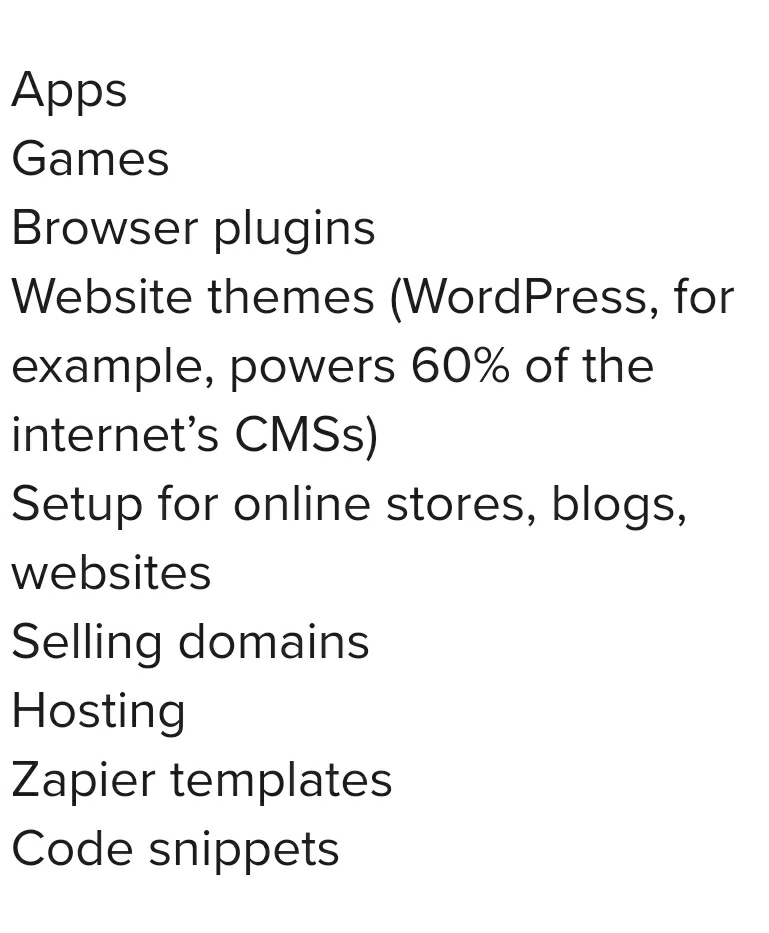
Following is the list of digital products in a random order:

Sunday, September 29, 2019

Online Opportunities

Types of work home maker or housewife can do without commuting on a daily basis. Listing the gist of work(s) one may be interested in. Go through the list then select one which interests you most. Surf the net to get to know what sort of work and payment available online or services render by people in the chosen area. Then try creating a niche for yourself and try to be distinctive as much as possible. As it is an old English proverb “When there’s a will there’s a way”. Considering the fact that you wish to work for companies that offer home-based work then be focused to sign in with the company which has legitimate paying routes such as Paypal or Payza or other proven e-transaction services. And for ladies looking for work from Pakistan, it is sad to inform you the phenomenal fact that Paypal doesn’t cater for Pakistan but only Payza. So better look for payza logo only then become a member. Another fact if you are asked to pay for membership fee then it’s definitely a scam don’t go for that company.

Computer and Online Work from Home

1.    Freelance Translation services (http://www.paklingo.com/paklingo/careers/)

2.    Desktop Publishing Services or coaching online (Twitter/ Facebook/Alibaba.com)

3.    Computer Software and Language Coaching online or offline (https://www.elance.com/)

4.    Playing Games (http://www.clixsense.com/?4533731 or http://www.goldenclix.com/clixgrid.php)

5.    Website Template making or designing and selling online via a blog or Facebook

6.    Logo designing or website banner selling (http://www.mustakbil.com/job/86520/)

7.    Virtual Customer service (http://careers.convergysworkathome.com/) only USA!

8.    Website designing & selling (http://www.pak-jobs-it.org/2010/06/24/freelance-web-designer-cum-php-developer-needed.html)

9.    Content writing (http://www.forumpakistan.com/content-writers-home-based-job-t18220.html)

10.    Pay to Click Advertisements (http://www.neobux.com/?r=asarekbed & http://www.probux.com/?r=asarekbed)

11.    Medical transcription (http://www.askmthouse.com/join.htm)

12.    Selling Collectibles at Alibaba/ Amazon /eBay/ Locanto/ OLX

13.    e-book Publishing (http://blog.infinitypublishing.com/infinite-agent-application)

14.    SEO Consulting service (http://www.bayrozgar.com/Marketing/SEO-Addwords- Analyst-%28Junior%29-46861.html)

15.    Game development (http://www.jobz.pk/facebook-game-developer_jobs-67726.html)

16.    Watching video (http://www.goldenclix.com/clixgrid.php)

17.    Social Media management (http://cso.lums.edu.pk/job-detail.php?id=238770)

18.    Recruitment Assistance

19.    Data Entry (http://www.myjobsbank.com/dataentryjobs.php)

20.    Yoga Instructor (Skype)

21.    Beauty Care Products selling

22.    Interior Designing service

23.    Indoor Plant Consultation service

24.    ESL teaching (http://www.flexjobs.com/publicjobs/esl-teacher-online-181837)

25.    Soft skill development training (Online and Offline)

26.    Business Consultancy (http://www.flexjobs.com/publicjobs/business-analysis-consultant-181170)

27.    Real Estate Agency

28.    Job Consultation service

29.    Matrimonial Services (Facebook/twitter/tumblr)

30.    Car driver referral service

31.    Travel Agency

32.    Security Agent hiring service

33.    Housekeeping Service Agent or housemaid booking agency

 Food

1.    Culinary service

2.    Food Blogging

3.    Cooking Classes

4.    Microwave oven cooking

5.    Baking classes

6.    Sweet making classes

7.    Biscuit baking classes

8.    Fitness food service

 Art and Craft works from Home (both offline or online)

1.    Jewelry Designing

2.    Clay Art

3.    Artificial flower decoration service

4.    Lingerie Crafting Business

5.    Fashion Designer (Coaching or selling custom made stuff online)

6.    Sewing and Selling Sequin items

7.    Bag Making and merchandising

8.    Abaya and Hijab selling

9.    Designer candle selling

10.    Selling crafts from recycle materials

11.    Art tuition

12.    Aerobic Classes

13.    Painting Classes via Skype

14.    Embroidery Classes

15.    Zari Works selling or classes

16.    Calligraphy print selling or tuition

17.    Selling Apparels

18.    Art work sales

19.    Henna Designer (services or tuition)

20.    Photography (Stock Photo sale)

Freelance Writing

1.    Social issues article to newspaper

2.    Fashion writing/editing (http://www.flexjobs.com/publicjobs/fashion-writer-editors-179888)

3.    Copywriter and Proof reading work

4.    Theses writer or Research publication writer

5.    Blogging in Health care/ Health & Fitness/ Gardening/ IT/ E-greetings

Small scale farming

1.    Aquarium business

2.    Vegetable farming

3.    Mushroom cultivation

4.    Home-based nursery for selling plants & flowers

5.    Floriculture

6.    Hydroponic cultivation

7.    Herb gardening


Miscellaneous

1.    Party organizing service such as Birthday or Wedding

2.    Business event organizing service

3.    Nurses on call

4.    Elder Care giver or referring service

5.    Videotaping service

6.    Baby Sitting

7.    Pet minding

8.    Personal shopping business or mystery shopper for hire

9.    Financial Advising service

10.  Gift basket/ delivery service (eBay/ Locanto)

I have mentioned few companies which are in need of home-based workers to give you a bird’s eye view on the saturation of home-based working domain. But it is not the end. There is much more to explore to carve out your future from within box or out of the box opportunities.

Wednesday, June 27, 2012

Genes and diseases

Human cell contains 46 chromosomes (22 pairs of autosomal chromosomes and 2 sex chromosomes) between them are approximately 3 billion base pairs of DNA that encloses about 30,000 - 40,000 protein-coding genes. The coding regions make up less than 5% of the genome (the function of the remaining DNA is unclear) and some chromosomes have a higher density of genes than others.


Most of the genetic disorders featured so far are the direct result of a mutation in one gene. Conversely, one of the most difficult problems ahead is to find out how genes contribute to diseases with complex pattern of inheritance, like in the cases of diabetes, asthma, cancer and mental illness. In all these cases, no single gene contributed but combination of genes to be altered to manifest the disorder, and a number of genes may each make a subtle contribution to a person's susceptibility to a disease and respond variably in a particular environment.

Blood and Lymph Diseases

Most of the cells in the human body are not in direct contact with the external environment, the circulatory system acts as a transport system for these cells. Two distinct fluids move through the circulatory system: blood and lymph.

Blood carries oxygen, hormones, antibodies and nutrients to the body's cells, and carries waste materials away. The heart is the pump that keeps this transport system moving. Together, the blood, heart, and blood vessels form the circulatory system.

The lymphatic system (lymph, lymph nodes and lymph vessels) maintains the circulatory system by draining excess fluids and proteins from tissues back into the bloodstream, in this manner preventing tissue swelling. It also serves as a defense system for the body, filtering out pathogens by producing white blood cells, and generating antibodies.

Diseases

• Anemia, sickle cell

• Burkitt lymphoma

• Gaucher disease

• Hemophilia A

• Leukemia, chronic myeloid

• Niemann-Pick disease

• Paroxysmal nocturnal hemoglobinuria

• Porphyria

• Thalassemia


The Digestive System

Digestion is the process of converting food into fuel for energy, and for upholding of the body structure. The digestive tract is a series of hollow organs joined in a long, twisting tube from the mouth to the anus. Inside this tube is a lining known as mucosa. In the mouth, stomach, and small intestine, the mucosa contains tiny glands that secrete enzymes to facilitate digest food. There are also two solid digestive organs, the liver and the pancreas, which produce enzymes that reach the intestine through small tubes.

Diseases

• Colon cancer

• Crohn's disease

• Cystic fibrosis

• Diabetes, type 1

• Glucose galactose malabsorption

• Pancreatic cancer

• Wilson's disease

• Zellweger syndrome

Friday, June 10, 2011

Personality fit for careers

My latest Career Inventory Test Results

Extroversion ||||||||||||||||||||| 66%
Emotional Stability ||||||||||||||||||||| 66%
Orderliness |||||||||||||||||||||||| 73%
Altruism |||||||||||||||||||||||| 76%
Inquisitiveness |||||||||||||||||| 60%

You are a Persuader, possible professions include - entertainer, recruiter, artist, newscaster, writer/journalist, recreation director, librarian, facilitator, politician, psychologist, housing director, career counselor, sales trainer, travel agent, program designer, corporate/team trainer, child welfare worker, social worker (elderly services), interpreter/translator, occupational therapist, executive

Tuesday, February 15, 2011

Handicrafts

Handicrafts echo the culture, tradition and creativity of the artisans who create them. It distinguishes between a thing that is skilfully hand made to what is mass produced and hence attracts the attention towards the skill and endeavors of the craftsman him/herself. The actual beauty of a piece of handicraft certainly depends on the transparency of material, the glances of a culture and stroke of art. Pakistan has a rich history of handicrafts. The entire wealth of eternal Pakistani handicrafts has survived through ages. The bequest of Pakistani culture promises everything- beauty, dignity, form and style. There are much said about Indian art but people totally forget one aspect of it, i.e., most of the handicrafts Indians inherited is from Muslims' world. As India was ruled by Muslims over centuries and had altered the whole face of handicrafts and foods which the present world is witnessing. Here, I have selected few links to witness the real crafts:
  1. Living room decoration
  2. Textiles
  3. Carpets & Rugs
  4. Leather Bags
I hope you'll enjoy your visit at the above websites.

Monday, February 14, 2011

Handicrafts

Handicrafts reflect the culture, tradition and creativity of the artisans who create them. It draws a line between a thing that is skillfully hand made to what is mass produced, and hence attracts the attention towards the skill and endeavors of the craftsman him/herself. The actual beauty of a piece of handicrafts certainly depends on the transparency of material, the glimpses of a culture and touch of art. Pakistan has a rich history of handicrafts. The entire wealth of timeless Pakistani handicrafts has survived through ages. The legacy of Pakistani culture promises everything- beauty, dignity, form and style. There are much said about Indian art but people totally forget one aspect of it, i.e., most of the handicrafts Indians inherited is from Muslims' world. As India was ruled by Muslims over centuries and had altered the whole face of handicrafts and foods which the present world are witnessing. Here, I have selected few links to witness the real crafts:

  1. Living room decoration
  2. Textiles
  3. Carpets & Rugs

Thursday, December 3, 2009

Value of Time in Islam

It is imperative for a Muslim to know the value of his/her time, for ‘time is life’. In Islam there is no room for motto like "killing time", for in Islam time is really valuable. In fact, wasting time is much more dangerous than squandering property, because unlike property, time cannot be compensated. In the Hadith, the Prophet, (peace and blessings be upon him), said: “There are two of Allah’s favors that are forgotten by many people: health and free time.” Free time is a blessing that is overlooked, and not wholly appreciated by many Muslims now-a-days. A Muslim should not waste his/her time in activities that does not bring her/him closer to Allah, in pursuits that will not serve as a contribution for the betterment of his/her people, his/her society and mankind in general.

Almighty Allah says: “By the time! Verily man is in loss.” (Al-`Asr:1-2) The Sunnah of the Prophet, peace and blessings be upon him, is also a rich record of many Hadiths that acknowledge the value of time and confirm the responsibility of man on how he maintains it; he will be brought to account by Allah on the Day of Judgment. Mu`adh ibn Jabal quotes the Prophet, (peace and blessings be upon him): “A servant of Allah will remain standing on the Day of Resurrection until he is asked about four things: his life and how he spent it, his youth and how he used it up, his property and how he acquired and managed it and his knowledge and how he utilized it.”

In Islam things should be regarded according to their level of significance. Hence we have several categories to view on this merit– Personal religious practice, Daw’ah, Islamic education, career, education, family, friends, health, leisure pursuits, etcetera,. I like to combine these categories to simplify slightly. Below is a sample daily rota:

1. Personal Worship: associates the relationship with Allah, no one share this time

* 5 Daily Prayers

* Read Quran

* Islamic Education

o School

o Internet

2. Finances: speaks about the activities that either bring money in the household, or vice versa

* Paying Bills

* Managing Zakat

* Job tasks

3. Health

* Working out

* Personal Hygiene

* Medical and Dental Work

* Personal upkeep

* Family and Friends (Networking and family get together)

4. Preaching

* Net

* Friends and Family circle

5. Systems Maintenance: This is the essence of life that keeps all the machinery in order moving towards a targeted aim

* Daily Planning

* Weekly Planning

* Laundry / Chores

* Groceries

Some sub-items fall under multiple categories. The point to concentrate on here is to Simplify. And to bear in mind that time has certain characteristics such as:

1-Time passes quickly.

2-Time that passes can never return, nor can it be compensated for, for time is irretrievable.

3-Time is the most precious thing that man possesses.

Imam Al-Hasan Al-Basri says: “At the beginning of every day a herald calls: ‘O son of Adam! I am a new creation and a witness of your deeds. So take a provision from me because when I pass, for I never come back till the Day of Resurrection.’”

Sunday, November 22, 2009

Summer time indulgence


Sunset at the Hawks' Bay
Last summer my family and me hit Hawks' bay. The excitement of the trip and the relaxation of the beach allured us to this particular vacation spot. If you are looking for an entertaining and relaxing way to spend the hot days of summer, Hawks' Bay has plenty to offer.
The sun glows vibrantly with pleasure. The fervent colors filled the sky with its warmth. The sea so delicate, sparkled preciously as it ambled up against the shore. The crystal water that stretched out far into the horizon where it got darker and deeper but stayed very calm. Walked on a gold land, the soft and smooth sand shone as it reflected the suns rays with glee. A cool, light and refreshing, breeze gently eased up against my being and glided through my hair, sent a gentle shudder up my spine. The whole beach itself looks like a painted picture with a spectrum of colors all fused with one another. The sea was also displaying a wide range of hues that reflected from the surface, like a dancing damsel dressed in a vibrant attire.
After witnessing Allah’s great creation, Mum, Papa and aunt took out the refreshments and taken them inside the hired lodge. But we were so selfish and had only thought about our comfort and to materialize our plan. We took out our beach slippers and hit the sea bay. We strolled for quite long time, watched children played with sea waves, waded in and swum by their elders. After sometime we decided to return. On our way back to the lodge we have collected many different sorts of shells and have taken pictures of the waves in the sea. Aunt and mum have laid the table for us before our arrival. We felt hungry and ate the delicious fried rice before eating the sweet chocolate cake and Bread-kebab rolls. We all praised mum and aunt for giving us such palatable food. Then we had a rest of about an hour or so. Our mum then woke us up. So that we freshen up and had tea with the rest of the family. After having tea we started playing indoor games such as Quiz game, Snake and Ladder, and also Parcel passing. Have told jokes and narrated half remembered funny stories.
It was half past six when papa sighted sunset and called upon us to have a sight of the dying sun. In the sky, the sun had begun to set in a sluggish, dawdling fashion. It was the most beautiful sight I have ever seen which is etched in my mind forever. The colors twirled together in a heap mass across the sky. The sky turned wild and there was a war of colors. Lightning tossed itself across what was once the peaceful sky. After watching such a nature's beauty that had hold our breaths, world seemed to me an endless entity full of hidden beauties yet to be witnessed.

Sunday, June 14, 2009

English UK/USA


See the difference in spelling and remember them:
1. aluminium
2. aluminum
3. analyse
4. analyze
5. apologised
6. apologized
7. authorise
8. authorize
9. calibre
10. caliber
11. candour
12. candor
13. categorise
14. categorize
15. centre
16. center
17. characterisation
18. characterization
19. characterise
20. characterize
---------------------------------------------------

1. cheque
2. check
3. colour
4. color
5. computerised
6. computerized
7. cosy
8. cozy
9. crystallise
10. crystallize
11. defence
12. defense
13. diarrhoea
14. diarrhea
15. dramatise
16. dramatize
17. encyclopaedia
18. encyclopedia
19. epitomise
20. epitomize
-------------------------------------------------
1. equalise
2. equalize
3. favour
4. favor
5. favourite
6. favorite
7. fertilise
8. fertilize
9. fervour
10. fervor
11. fibre
12. fiber
13. flavour
14. flavor
15. furore
16. furor
17. glamourize
18. glamorize
19. globalisation
20. globalization
----------------------------------------------------
1. grey
2. gray
3. harbour
4. harbor
5. harmonise
6. harmonize
7. honour
8. honor
9. humour
10. humor
11. jeopardise
12. jeopardize
13. jewellery
14. jewelry
15. judgement
16. judgment
17. licence
18. license
19. litres
20. liters
-----------------------------------------------------
1. magnetise
2. magnetize
3. manoeuvre
4. maneuver
5. marvellous
6. marvelous
7. materialise
8. materialize
9. maths
10. math
11. metre
12. meter
13. mould
14. mold
15. moult
16. molt
17. organise
18. organize
19. oxidise
20. oxidize
-----------------------------------------------------
2. parlor
3. plough
4. plow
5. practise
6. practice
7. practised
8. practiced
9. practising
10. practicing
11. programme
12. program
13. realise
14. realize
15. realised
16. realized
17. realising
18. realizing
19. recognise
20. recognize
---------------------------------------------------
1. reorganise
2. reorganize
3. rumour
4. rumor
5. socialise
6. socialize
7. socialised
8. socialized
9. socialising
10. socializing
11. standardise
12. standardize
13. theatre
14. theater
15. theorise
16. theorize
17. unfavourable
18. unfavorable
19. urbanisation
20. urbanization
21. valour
22. valor
23. vapour
24. vapor
25. waggon
26. wagon

It's a Kilo byte of shocking to many in my circle. Most of my students follow Oxford board but unknowingly almost all of them were using American version of spellings.

Friday, February 13, 2009

Rules for Passive voice

This passage is specially for my EFL students but other can also benefit from this!


The most important parts to remember are as follows:
  1. If an active tense is in Simple Present Form it become simple Past

  2. Present continuous become Past Continuous i.e., to be in the continuous but verb in the past or Passive forms are made up of an appropriate form of the verb ‘to be’ followed by the past participle (pp) form of the verb eg.,

How to pronounce this word? will become How is this word pronounced?

We are redecorating the house will become The House is being redecorated


3. Therefore follow the following chart:

Tense/Verb Form -------------Active Voice ---------Passive voice

Simple Present ----------------Keeps --------------------is Kept

Present Continuous -----------is keeping --------------is being kept

Present Perfect ---------------has Kept ---------------has been kept

Simple Past ------------------Kept --------------------was kept

Past Continuous -------------was Keeping ------------was being kept

Past Perfect ----------------had Kept -----------------had been Kept

Future --------------------will Keep ------------------would be kept


Monday, March 17, 2008

GENETIC RESISTANCE AGAINST PATHOGENS IN WHEAT (Synopsis 2)

INTRODUCTION

Wheat is one of the major crop in Pakistan and occupies a position of paramount importance. It was planted over 7.2million ha annually during the period from 1981-82 to 1984-85(Shah, 1994) that yielded 11.6 million tonnes. The wheat crop in Pakistan is attacked by a large number of insects such as Aphids and Armyworm during spring after heading. the microbial pathogens that attacks wheat include Stem Rust, Leaf Rust and Stripe Rust caused by Puccinia graminis, P. recondita and P. striiformes, respectively(Akhtar, 1976). Leaf and stem rust occur all over country and become serious wherever and whenever weather conditions permit. moreover, root rot and leaf blight caused by Helminthosporium sativum occurs in parts of sind and Punjab plains. these disease epidemics cause heavy losses due to low yield and quality.
Reliance on heavy use of chemicals to control pests and microbial pathogens is no more desirable to the environment. It is becuase of their persistance and hazardous nature. Therefore, an urgent need to explore the available genetic resources for natural resistance with acceptable agronomic traits cannot be ignored. Plants are exposed to pathogens but do not have an immune system comparable to that of animals(Staskawicz, 1995). However, plants evolve defense mechanisms that involve several physical and chemical factors(Campbell, 1985). Physical defense mechanism includes tough epidermises, cuticular deposits, spines, thorns, prickles and stinging hairs whereas chemical defense mechanism includes toxins and repellents. Individual plant cells confront the disease by the combination of constitutive or induced defenses(Staskawicz, 1995). One of the earliest response is termed as Hypersensitive Response(HR), which is characterised by the oxidative burst. Release of Reactive Oxygen Species(ROS) renders toxicity to microbes and initiate cell death pathway. The second most common phenomenon is Systemic Acquired Resistance(SAR), which induces release of certain chemicals in the surrounding tissues. SAR occurs in response to necrotising infections caused by viruses, bacteria and fungi which persists for several weeks.
Disease resistance also occurs due to antimicrobial compounds such as Phytoalexins, Polypeptides and Proteins produced in response to infection. Some metabolites and plant hormones also increase in response to the fungal and viral infections in wheat(Metraux, 1990). Secondary metabolites sch as Hydroxamic acids(Niemeyer, 1988) has been reported in mediating plant defence against pathogens. Hydroxamic acid is present as an inactive Glucoside and upon mechanical injury came in contact with Glucosidase to produce 2,4-dihydroxy-7-methoxy-1,4-benzoxazin-3-one(DIMBOA). DIMBOA protect plants against aphids and microbial pathogen.
OBJECTIVES
  1. To study the chemical defense system in Triticum aestivum L. cultivars against microbial pathgens,
  2. To detect and isolate the factor responsible for resistance,
  3. To study the linkage of disease resistance to the chemical defense system.

PLAN OF WORK

PLANT MATERIAL :
Pathogen resistance and susceptible cultivars of Triticum aestivum L.

Phase 1:-
In this phase local genetic resources will be analysed for the quantification of Hydroxamic acids and other molecules both in prescence and abscence of infection. This involves selection of suitable tissues for he extraction of Pathogenesis related(PR) compounds. This involves preparation of the protoplasts from leaf tissues. Respective metabolites may be identified using UV-TLC methods. For the quantification of Hydroxamic acids Spectrophotometric technique will be employed.

Phase 2:-
The second phase of this research involves correlation of the endogeous quantities of pathogen combating metabolites and plant resistance. For this purpose the symptomatology of the disease will be quantified in different genotypes. This may help in identifying the factors that enable a plant to resist a pathogenic attack more than a sensitive plant.

Tuesday, March 11, 2008

Synopsis

MOLECULAR GENETIC STUDIES OF PAKISTANI POPULATIONS
Introduction

Revolutionary discoveries in molecular biology have opened up new vistas for research. It has been known for years that genetic characters are transmitted from parents to their offspring. However, it has been few decades ago that it is possible to study this phenomen at the molecular level.
All this has become due to the abilities to cut DNA molecules into smaller fragments with Restriction Endonucleases:
to engineer them into microorganisms for producing unlimited number of a particular DNA piece,
to sequence DNA,
to identify genes and ultimately their protein products.
The genetic etiology of many diseases have been discovered due to the awesome advancement of modern Nucleic Acid technology. In order to determine the gene responsible for a particular disease two basic approaches have been employed:
If the Biochemical lesion responsible for the disease is known, a candidate gene is analysed, as in the extensively studied B-Thalassaemia(Diaz-Chico JC., 1988) and Sickle-cell Anaemia(Novitski E., 1977).
If the chemical pathway is unknown and the genetic etiology of the diseased gene is to be discovered, an indirect statistical approach called linkage mapping has been used.
The gene responsible for Cystic Fibrosis was discovered using this technique(Kerem B., et al, 1989). It depends on the availability of gene probes that provide polymorphic genetic markers which are interpersed throughout the human genome and of statistical analysis using highly sophisticated computer programmes(Ott J., 1974). Not only it is now possible to attempt to unravel causes of diseases but also to examine the extraordinary diversity between and within livings species including man. Research on all aspects of life whether it be agricultural, clinical or anthropological etc., has continuously progressed in the developed world. Unfortunately, such a tradition is in absentia in Pakistan, only few laboratories have conducted some primitive research in this field.
Pakistan has few advantages with respect to such investigations which deals with the transmission of genetic characters. For several years, cousin marriages have led to the segregation of disease gene(s) in large, multigenerational families that are still largely nuclear. in addition, the practice of marrying within ethnic groups for social, religious or logistic purposes have also created pockets of populations that inhabit various areas of Pakistan.
It was mentioned earlier that no work has been carried out on Pakistani populations whether they may be of clinical or anthropological interest. A few examples of work done on other populations of the world in lieu of conducting the similar studies to be carried out in Pakistani populations.
During the past years, the availability of genetic markers that segregate with diseases in families has allowed:
The localisation of diseased gene and
The isolation of diseased gene using positional cloning approaches(Collins, 1992).
These markers are originally detected by Southern hybridisation and were termed Restriction fragment length Polymorphism(RFLP),(Botstein et al., 1980). Frequently used technique in this domain is PCR(Polymerase Chain Reaction) which enables the rapid amplification and detection of specific genomic sequence, has rapidly replaced RFPL-based studies. For PCR-based analysis, simple sequence repeats(SSR), like di-, tri-, and tetra-nucleotide repeats are very useful markers becuase of their variable numbers throughout the genome(Weber and May, 1989; Litt and Luty, 1989; Edwards et al., 1991). They have proved to be of great value in construction of linkage maps of chromosomes(Bowcock A., 1993) and the localisation of the diseased gene e.g., Wilson disease(WD), (Stewart EA., 1993).
At the biochemical and genetic engineering division of Dr. A.K Research Laboratories, RFLP was used to search human genome for the disease susceptibilty locus(DSL) for Tubercle bacillus diseases, which has been shown to be present on chromosome 1 of the mouse(Skamene et al., 1982). These studies have shown the abscence of of such a gene in a homologus chromosome 2. Furthermore, these studies established the relative sequence of nine genes excluding the disease susceptibility locus(Lsh\Beg\Ity), on the long arm of chromosome 2(Khaliq S, 1994). On the other hand, in a large scale search using microsatellite markers, a new gene responsible for retinitis pigmentosa (arRP) was found to be proximal to the microsatellite marker D1S53 in large Pakistani family(Leutelt et al., 1998).
Migraine headaches frequently runs in families suggesting that hereditary factors are the culprits. Typical migraine is a complex neurological disorder comprises of two main subtypes: migraine with aura (MA) and without aura (MO). The Migraine is classified as a chronic, painful and debilitating disease which manifest recurrent and severe headache attacks accompany with nausea, vomiting and photophobia or sonophobia in certain cases(Rod A, 2003). The disease etiology is still unknown, but family studies provide strong evidence that defective genes play an important role. In recent years a gene for familial hemiplegic migraine(FMH), a rare autosomal dominant subtype of migraine with aura, was mapped to chromosome 19p13. The findings of mutations in the gene 19p13, coding for the pore-forming subunit (alpha1A) of neuronal voltage-dependent P/Q-type calcium channels (FHM1), and in the ATP1A2 gene (1q21-23), encoding the alpha2-subunit of the Na+, K+ ATPase ionic pump (FHM2). A dysfunction of these channels modifies neuronal function and resulting in migraine with aura(Fumal and Schoenen, 2004).

Plan of Work:

It is the objective of this work to conduct similar studies among Pakistani population, using modern and complementry gene-mapping technologies.

Materials:

Blood samples from the screened patients. Lymphocytes will be separated by overlaying blood samples on Ficoll hypaque, centrifuging and collection of cells from the interface(Boyum A., 1968). Immortalised B-Lymphoblastoid cell lines will be generated by transformation with EBV as a substantial amount of DNA will be required to analyse the samples. the cell lines will be cryopreserved in a freezing mixture containing 10% DMSO, 45% heat inactivated foetal calf serum and 45% RPMI-1640(Walls EV., et al., 1987).

DNA Preparation:

DNA will be prepared from periphral blood cells and EBV-transformed cells by the method described in Maiatis et al., 1982. The techniques described below will be used to search disease gene.

RFLP Analysis

PCR

SNP and dinucleotide Repeat Marker

Agarose gel Electrophoresis.

Saturday, March 1, 2008

Scientifc Paper

Writing for Publication:

I'm particularly mentioning a 'research paper'. According to standard defination research paper is "a piece of academic writing that requires an abstract, crtical and thoughtful level of inquiry". Such a Writing involves comparison of research work conducted and published in past with your own.
There are mainly two types of research papers:
  1. Analytical and
  2. Argumantative

The main difference between the two types of writing is that the Analytical research paper is an attempt to use your research to give an objective picture of what is known about the work. While the argumentative research paper is an attempt to convince your readers of the validity of a certain view you hold of a research.

Writing a Thesis:

A thesis statement points toward the course of an argument.
General guidelines:

  • A thesis statement is always placed in the Introduction,
  • It should be arguable,
  • A thesis should argue on a specific point.

In brief, a thesis statement should draw attention of your readers towards an unknown side of the question.

For Scientific Publication:

Every science journal have their own style but generally they all carry following parts(they are also the 'part and parcel' of thesis but in detail):

Introduction:

It introduces your piece of work, provide a brief background, mention aims and objectives and the result of the investigation carried out.

Materials and Methods:

Mention specific information about your materials and methods in chronological order but related methodologies can be grouped as a section.

Results:

Mention the big picture of experiment and direct your readers towards the unknown solution of the problem. Data can be presented in the form of tables, charts or graphs but must follow sequential order, otherwise it will be incomprehensible for the readers.

Discussion:

  • Do NOT rephrase the Results but Compare your results and conclusions with published scientific papers.
  • Clearly contrast and compare your inferences with previous work and findings.
  • Discuss the practical aspect of your work and its application that you foresee.
  • Mention a summary of evidence for each major finding. Make concise concluding statements at the end of the discussion.

Summary:

  • The Summary is a brief and a complete report of a scientific work that "stands
    on its own" without any explanation.
  • Lengthy discussions and references to the literature must be omitted.

References:

References can be written in different formats depending on the requirement of the journal,

for a detail understanding pls. visit: http://www.liunet.edu/cwis/cwp/library/workshop/citation.htm

Tuesday, February 26, 2008

Hypothesis and its testing

Hypothesis(from Greek):
It consists either of a suggested explanation for a fact or of a reasoned proposal suggesting a possible correlation between multiple facts. Scientists generally base such assumption or hypotheses on prior readings or on outcome of scientific theories. Even though the words "hypothesis" and "theory" are often used synonymously, a scientific hypothesis is not the same as a scientific theory. A hypothesis requires either a confirmation or disproval by researchers. In due course, a confirmed hypothesis may become part of a theory or can grow to become a theory itself. Now-a-days, scientific hypotheses have the form of a mathematical model.

Types:
  1. If and then in case of dependent variables.
  2. Statistical
    Null Hypothesis- H0: coin-tossing operates "fairly" (equally likely to fall "Heads" or "Tails")
    Alternate Hypothesis- H1: coin-tossing operates in a biased manner to give a 90% probability of falling "Heads"

Testing:
The purpose of hypothesis testing is to test the viability of the null hypothesis in the light of experimental data. Depending on the data, the null hypothesis either will or will not be rejected as a viable possibility. The null hypothesis is often the reverse of what the experimenter actually believes; it is put forward to allow the data to contradict it.


However, various statistical approaches (such as Bayesian statistics and classical statistics (i.e. t-tests)) can quantify the strong intuition that H1 appears much less likely than H0 let us suppose that if, in 1,000 tosses, 495 came out "Heads" — and much more likely if 895 came out "Heads". Researchers generally evaluate experiments statistically.

  1. After specifying the H0, the next step is to select a significance level(it is the criterion used for rejecting the null hypothesis). The level of significance is chosen as 0.05 level(also referred as 5%) or 0.01 level(also referred as 1%).

  2. Then the difference between the results of the experiment and the null hypothesis is determined.

  3. Next, assuming the null hypothesis is true, the probability of a difference that large or larger is computed .

  4. Finally, this probability is compared to the significance level. If the probability is less than or equal to the significance level, then the null hypothesis is rejected and the outcome is said to be statistically significant.

For further understanding pls. pay a visit to http://statpages.org/

Sunday, February 24, 2008

From Researching to Publication

How to perform scientific experiment

INITIAL OBSERVATION
You notice something, and wonder why it happens. You see something and ponder what causes it. You want to know how or why something works. You ask questions about what you have seen.The first step is to write down what you have noticed.

INFORMATION GATHERING
Find out about what you want to investigate. Read books, magazines, search internet or ask professionals who might know in order to learn about the effect or area of study. Keep track of where you got your information.

TITLE THE WORK
Choose a title that describes the effect or thing you are investigating.

AIMS & OBJECTIVES OF YOUR EXPERIMENT
What do you want to find out? Write a statement that describes what you want to do. Use your observations and questions to write the statement.

MAKE HYPOTHESIS
Make a list of answers to the questions you have.Hypothesis must be stated in a way that can be tested by an experiment.

DESIGN AN EXPERIMENTAL PROCEDURE TO TEST YOUR HYPOTHESIS
Design an experiment to test each hypothesis.

OBTAIN MATERIALS AND EQUIPMENT
Make a list of the things you need to do the experiments, and prepare them.

PERFORM THE EXPERIMENT AND RECORD DATA
Do the experiment and record all numerical measurements made. Data can be amounts of chemicals used, how long something is, the time something took, etc. If you are not making any measurements, you probably are not doing an experimental science project.

RECORD YOUR OBSERVATIONS
Observations can be written descriptions of what you noticed during an experiment, or problems encountered. Keep careful notes of everything you do, and everything that happens. Observations are valuable when drawing conclusions, and useful for locating experimental errors .

CALCULATIONS
Perform any math needed to turn raw data recorded during experiments into numbers you will need to make tables, graphs or draw conclusions.

SUMMARIZE RESULTS
Summarize what happened. This could be in the form of a table of numerical data or graphs. It could also be a written statement of what occurred during the experiments.

DRAW CONCLUSIONS
Using the trends in your experimental data and your experimental observations, try to answer your original questions. Is your hypothesis correct? Now is the time to pull together what happened, and assess the experiments you did.
Other Things You Can Mention in the Conclusion are:
If your hypothesis is not correct, what could be the answer to your question?
Summarize any difficulties or problems you had doing the experiment.
Do you need to change the procedure and repeat your experiment?
What would you do different next time?
List other things you learned.

COURTESY: http://www.isd77.k12.mn.us/resources/cf/SciProjIntro.html

Monday, February 18, 2008

My Profile

I'm a technical writer with Masters in Software Development(Coventry University, UK) and Genetics(Karachi University, Pakistan).
My hobbies are writing, reading, travelling, photography and recycling anything recyclable!